
Top Red Seal Career Opportunities to Pursue in 2027

Updated: Sep 14
Starting a career with a Canadian Red Seal certification opens many doors across Canada. The Red Seal program is a recognized standard for skilled tradespeople, ensuring they meet high competency levels. As 2027 approaches, certain Red Seal careers stand out for their growth potential, job security, and earning possibilities. This guide highlights the best Red Seal career choices for students planning their futures, helping them make informed decisions about which trade to pursue.

Why Choose a Red Seal Career in Canada?
The Canadian Red Seal certification is a mark of excellence for tradespeople. It allows workers to practice their trade anywhere in Canada without needing additional certification. This mobility is a huge advantage, especially for young people who want flexibility in their careers.
The Red Seal exam tests practical skills and knowledge, ensuring certified workers are job-ready. Trades with Red Seal certification often offer higher wages and better job security than non-certified roles. For students, this means investing time in preparing for the Red Seal exam can lead to a rewarding career.
Top Red Seal Careers to Watch in 2027
1. Electrician
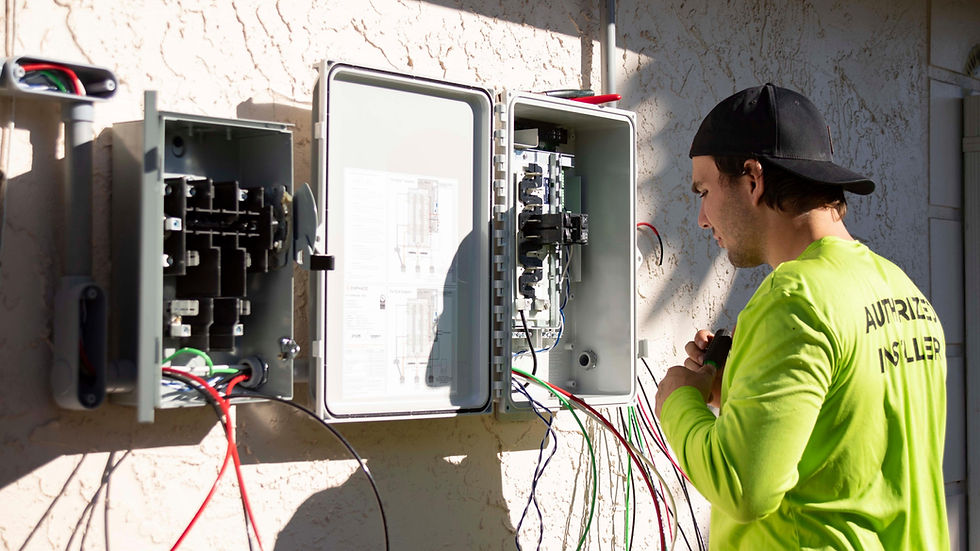
Electricians remain in high demand across Canada. With the rise of renewable energy projects and smart home technologies, electricians with Red Seal certification will find many opportunities. They install, maintain, and repair electrical systems in homes, businesses, and industrial settings.
Average salary ranges from $60,000 to $80,000 annually.
Growing demand in urban and rural areas.
Opportunities in green energy installations like solar panels.
2. Plumber
Plumbers with Canadian Red Seal certification are essential for residential, commercial, and industrial projects. Their work includes installing and repairing water systems, heating systems, and gas lines.
Salaries typically range from $55,000 to $75,000.
Increasing demand due to new construction and infrastructure upgrades.
Specialization in eco-friendly plumbing systems is a growing niche.
3. Carpenter
Carpenters build and repair structures made of wood and other materials. The construction boom in many Canadian cities means skilled carpenters will continue to be needed.
Average earnings between $50,000 and $70,000.
Opportunities in residential, commercial, and renovation projects.
Red Seal certification improves job prospects and pay.

4. Automotive Service Technician
The automotive industry is evolving with electric and hybrid vehicles becoming more common. Automotive Technicians with Red Seal certification who can work on these advanced vehicles will be in demand.
Salaries range from $45,000 to $65,000.
Growing need for skills in electric vehicle maintenance.
Opportunities in dealerships, repair shops, and fleet maintenance.
5. Welder
Welding is a critical skill in manufacturing, construction, and repair work. Red Seal welders are valued for their ability to work with different metals and techniques.
Average salary around $55,000 to $75,000.
Demand in oil and gas, shipbuilding, and infrastructure projects.
Certification opens doors to specialized welding jobs.
Preparing for the Red Seal Exam
Passing the Red Seal exam is a key step toward certification. It tests both theoretical knowledge and practical skills. Students should focus on:
Completing an apprenticeship program.
Gaining hands-on experience under a certified journeyperson.
Using study guides and practice exams tailored to their trade.
Attending workshops or training sessions when available.
Employers often support apprentices by providing training resources and time off for exam preparation. Taking the exam seriously can lead to better job offers and career advancement.
Benefits of Canadian Red Seal Certification
Holding a Canadian Red Seal certification offers several advantages:
Nationwide recognition: Work anywhere in Canada without extra certification.
Higher wages: Certified tradespeople earn more than non-certified peers.
Job security: Skilled trades are less likely to be automated or outsourced.
Career growth: Certification can lead to supervisory or specialized roles.
Pride and professionalism: Certification shows commitment and skill mastery.
Emerging Trends Impacting Red Seal Careers
Several trends will shape the demand for Red Seal careers in 2027:
Green technologies: Solar, wind, and energy-efficient systems require skilled tradespeople.
Urban development: Growing cities need more construction and infrastructure workers.
Technological advances: Automation and smart systems increase the need for tech-savvy trades.
Retirement wave: Many older tradespeople are retiring, creating openings for new workers.
Students who choose trades aligned with these trends will have better job prospects.

How to Choose the Right Red Seal Career
Choosing the right trade depends on interests, skills, and job market outlook. Students should consider:
What type of work they enjoy (hands-on, technical, creative).
The industries growing in their region.
The level of physical activity involved.
Opportunities for advancement and specialization.
Work environment preferences (outdoor, workshop, client sites).
Researching local job boards and talking to certified tradespeople can provide valuable insights.


Comments